
Naturopathy Medicine
Thyroid + Hormone Health
What Is The Thyroid?
The thyroid is a small, butterfly-shaped gland at the front of your neck under your skin. It’s a part of your endocrine system and controls many of your body’s essential functions by producing and releasing (secreting) certain hormones. The thyroid’s main job is to control the speed of your metabolism (metabolic rate), which is how your body transforms the food you consume into energy. All of the cells in your body need energy to function.
Can a Person Live Without a Thyroid?
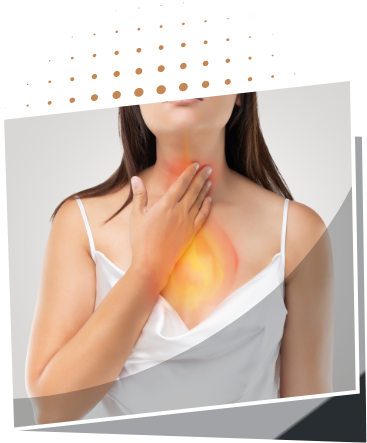
What Conditions And Disorders Affect The Thyroid?
There are several different types of thyroid disease. Thyroid disease is prevalent, with an estimated 20 million people in the United States having thyroid disorder. Women and people assigned female at birth (AFAB) are about five to eight times more likely to be diagnosed with a thyroid condition than men and people assigned male at birth (AMAB).
The four main conditions that affect your thyroid include
- Hypothyroidism (underactive thyroid).
- Hyperthyroidism (overactive thyroid).
- Goiter (enlarged thyroid).
- Thyroid cancer.
Early Warning Signs and Symptoms Of Thyroid Problems?
- Slow or rapid heart rate.
- Difficulty tolerating cold or heat.
- Irregular menstrual periods.
- Unexplained weight loss or weight gain.
- Depression or anxiety.

How Are Thyroid Conditions Treated?
- Medication.
- Surgery.
- Radiation therapy and chemotherapy.
Thyroid and Hormonal Health
Thyroid health and hormone balance are crucial for maintaining overall well-being and proper body functioning. The thyroid gland in the front of the neck produces hormones that regulate various bodily functions, including metabolism, growth, development, and temperature regulation. Hormones are chemical messengers that control numerous processes in the body, and imbalances can lead to various health issues.
Here are some key points about thyroid health and hormone balance:
Thyroid Hormones:
The thyroid gland produces two main hormones: thyroxine (T4) and triiodothyronine (T3). These hormones play a vital role in regulating metabolism, energy production, and the functioning of organs and tissues.
Hyperthyroidism:
Hyperthyroidism is the opposite of hypothyroidism, where the thyroid gland produces an excess of thyroid hormones. Symptoms may include weight loss, rapid heartbeat, anxiety, irritability, tremors, increased sweating, and heat intolerance. Graves' disease, an autoimmune disorder, is the most common cause of hyperthyroidism.
Treatment Options:
Treatment for thyroid disorders depends on the specific condition. Hypothyroidism is typically managed by taking synthetic thyroid hormone medication (levothyroxine) to replace the deficient hormones. Hyperthyroidism can be treated with drugs that block thyroid hormone production, radioactive iodine therapy, or surgery to remove part or all of the thyroid gland.
Hypothyroidism:
Hypothyroidism occurs when the thyroid gland doesn't produce enough thyroid hormones. This condition can lead to fatigue, weight gain, cold intolerance, dry skin, hair loss, and depression. It is commonly caused by an autoimmune disorder called Hashimoto's thyroiditis or certain medications, iodine deficiency, or thyroid surgery.
Thyroid Function Tests:
Blood tests, such as TSH (thyroid-stimulating hormone), T4, and T3 levels, are commonly used to assess thyroid function. Abnormal levels can indicate thyroid disorders and help determine appropriate treatment options.
Hormone Imbalance:
Hormones beyond the thyroid, such as estrogen, progesterone, testosterone, cortisol, and insulin, also play essential roles in overall health. Imbalances in these hormones can lead to various conditions, including menstrual irregularities, fertility problems, mood swings, weight gain, and metabolic issues.